
Nigeria’s political week unfolded against the familiar backdrop of insecurity, institutional contestation and an increasingly heated race toward the 2027 general election.
Peter Obi alleged intimidation and warned he might not be alive to contest the 2027 election, raising fresh concerns about political tolerance ahead of the polls.
Relief came from Oyo State as abducted pupils and teachers finally regained their freedom after weeks in captivity, even as the Senate declared Nigeria’s security crisis grave enough to demand an end to the rehabilitation programme for repentant Boko Haram members.
The political atmosphere also became more charged after Senate President Godswill Akpabio predicted that a Tinubu victory in 2027 would inevitably trigger allegations of electoral manipulation.
Meanwhile, lawmakers declined to investigate the controversial ₦1.3 billion allocation to the disputed Presidential Foreign Intervention Promotion Council (PFIPC), choosing instead to await the outcome of an ICPC probe.
In Kaduna, the wife of former governor Nasir El-Rufai argued that the bail conditions imposed on her husband were so stringent they effectively amounted to continued detention.
Together, the week’s developments reflected a nation grappling simultaneously with security emergencies, institutional accountability and an increasingly tense political environment as the road to 2027 grows shorter.
1. Obi: I May Not Be Alive To Contest 2027
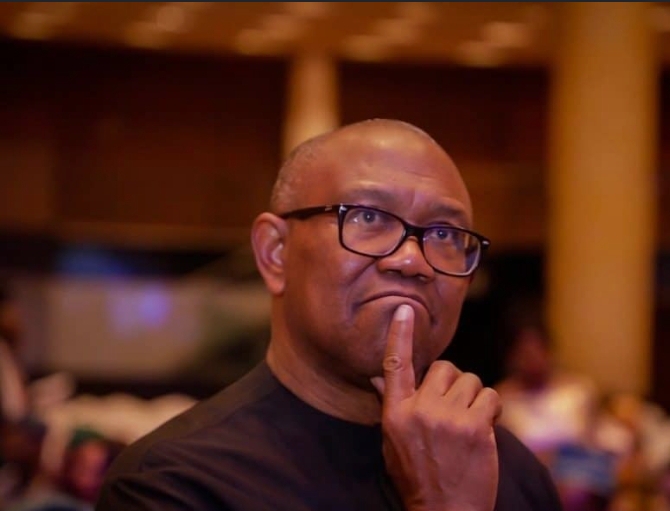
NDC presidential candidate Peter Obi alleged sustained government intimidation, claiming official actions were frustrating his activities and warning he might not be alive before the 2027 presidential election.
Why it Matters:
Obi’s allegations significantly raise the political temperature ahead of 2027. When a leading presidential contender publicly fears for his life, the allegation itself, proven or not, corrodes confidence in the democratic space. Obi’s claims of airport harassment and social ostracism suggest an opposition operating under siege, echoing Atiku’s earlier warnings about the ADC. If opposition figures cannot operate freely, campaign openly, or feel safe in public spaces, Nigeria’s already fragile democracy is tilting on a precipice it may never recover from.
2. Oyo Abducted Pupils And Teachers Finally Regain Freedom

Abducted pupils and teachers from Oyo State regained freedom after about 56 days in captivity, bringing relief to families while leaving unanswered questions about the circumstances surrounding their eventual release.
Why it Matters:
The release is welcome news, but it cannot obscure the disturbing reality that Nigerian schools remain vulnerable targets. That schoolchildren and their teachers can be kidnapped in broad daylight, held for about 56 days, and released without a single arrest or official explanation is not a security win, but a recurring national shame that exposes the continuing vulnerability of Nigeria’s most defenceless citizens. Until perpetrators face justice, every classroom remains a potential crime scene and every release merely an intermission.
3. Senate Pushes To End Boko Haram Reintegration Programme
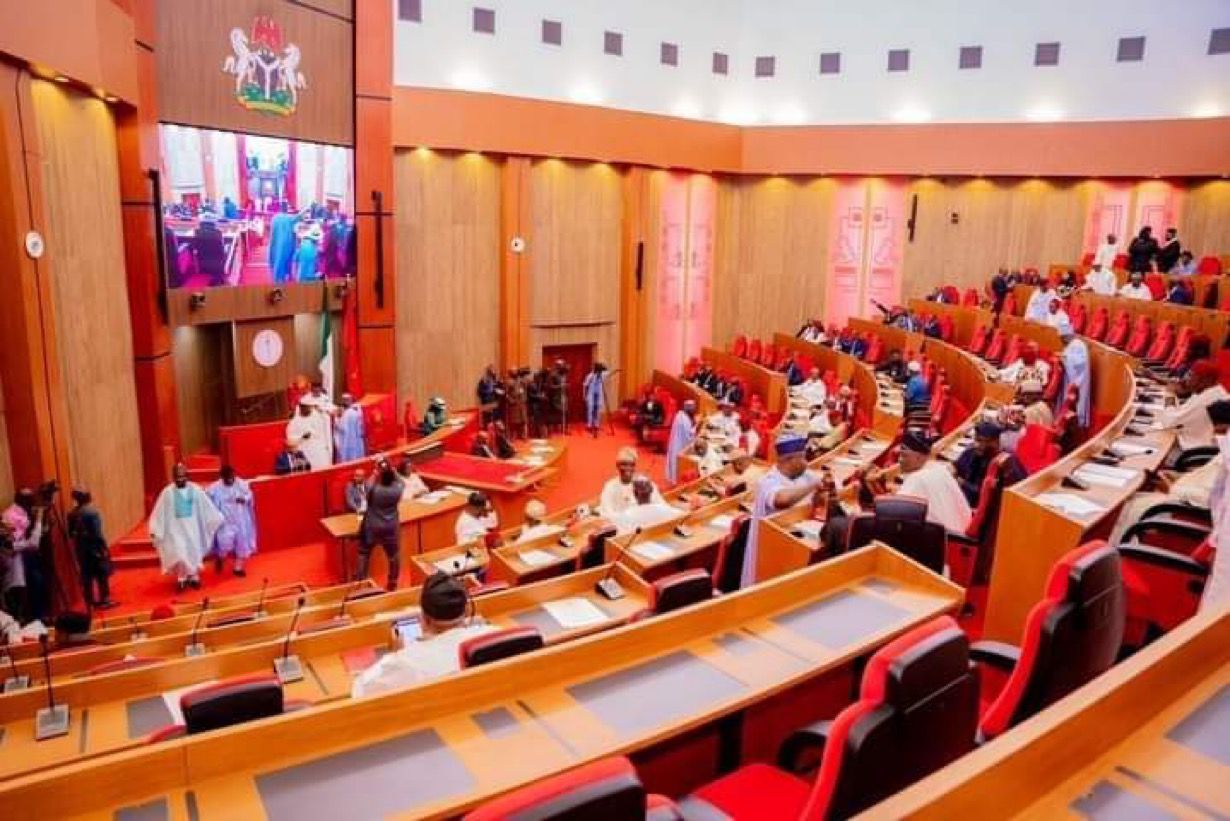
The Senate urged the Federal Government to discontinue rehabilitation programmes for repentant Boko Haram members, arguing worsening insecurity demands tougher counterterrorism policies and stronger protection for security personnel.
Why it Matters:
The Senate’s call reflects a growing institutional frustration with a security strategy that appears to reward violence while those enforcing the law are being killed. The deaths of retired generals, colonels, and officers in captivity represent a direct challenge to state authority. Ending the reintegration programme may satisfy public anger, but without addressing the conditions that produce insurgents, it risks creating a harder, less manageable conflict. Policy responses to insecurity must be strategic, not reactive.
READ ALSO: Missing Billions, Failed Coup, and Party Woes: Nigeria’s Turbulent Week
4. Akpabio Predicts Rigging Allegations If Tinubu Wins Again
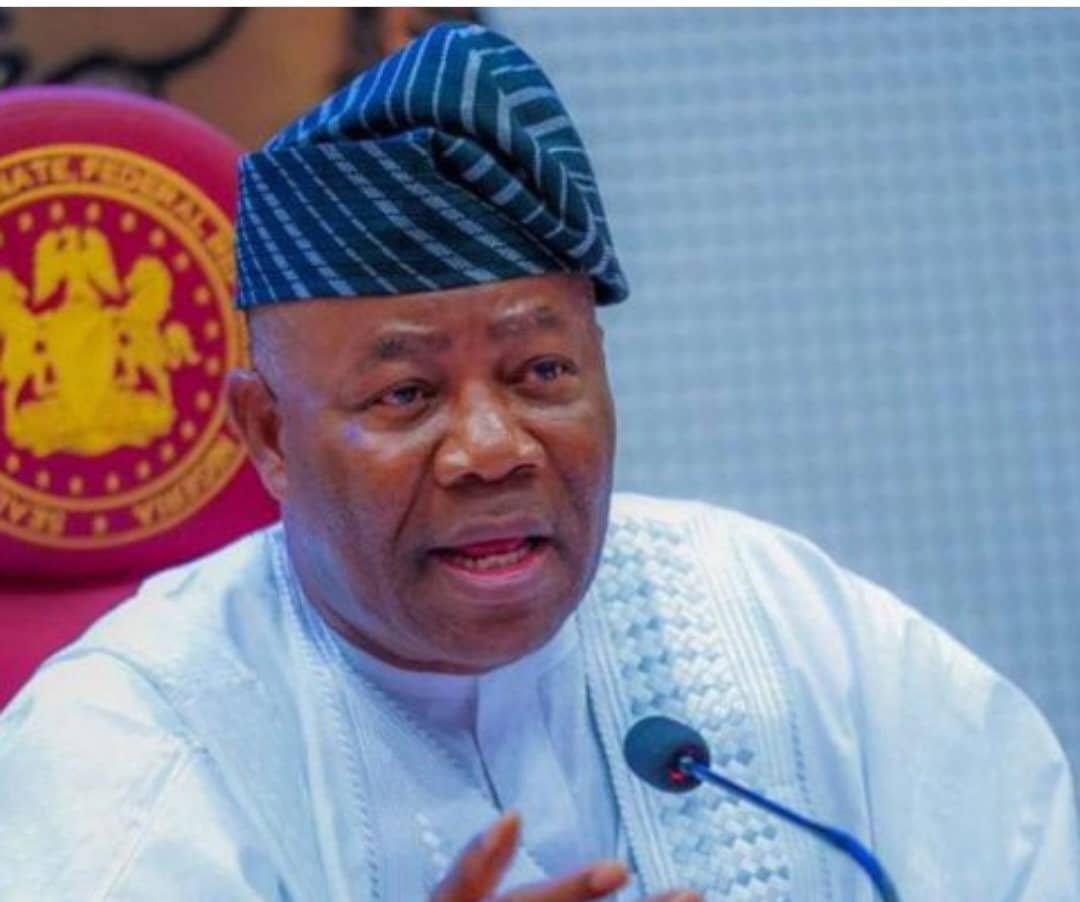
Senate President Godswill Akpabio predicted opposition parties would reject President Tinubu’s re-election in 2027, urging supporters to strengthen grassroots mobilisation and protect votes across polling units nationwide.
Why it Matters:
Akpabio’s statement is revealing in what it assumes. By predicting opposition rigging claims before the election has occurred, he is pre-emptively delegitimising any future challenge to a Tinubu victory. This may not a neutral observation, but a political framing strategy designed to characterise opposition scrutiny as bad faith before votes are cast. In a country where electoral credibility is already contested, such statements from the Senate President erode public confidence in the process.
5. Senate Declines Fresh Probe Into PFIPC Budget Controversy
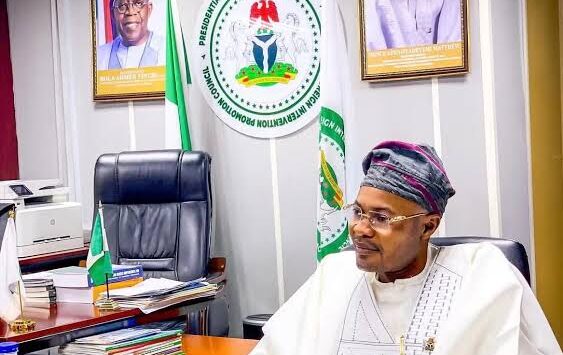
The Senate refused to launch an independent investigation into the controversial PFIPC budget allocation, deciding instead to await findings from the ongoing ICPC investigation ordered by President Tinubu.
Why it Matters:
The Senate’s decision to defer to the executive-directed ICPC probe rather than conduct its own independent investigation undermines its constitutional oversight role. Waiting for another agency’s investigation may be procedurally defensible, but Parliament also has an independent constitutional responsibility to scrutinise public expenditure and protect institutional integrity. The National Assembly approved a budget allocation for an agency the Presidency says does not exist. That is a legislative failure that demands legislative accountability.
6. El-Rufai’s Wife Says Bail Conditions Amount To Continued Detention

Asiya El-Rufai argued her husband’s bail conditions are practically impossible to satisfy, claiming the court’s requirements have effectively denied him freedom despite granting conditional bail.
Why it Matters:
Bail granted but engineered beyond reach is detention by other means. The traditional council’s unexplained refusal to attest raises suspicions of political pressure on non-judicial actors. Coming amid Obi’s intimidation claims and Atiku’s ballot warnings, El-Rufai’s plight, a former ruling-party insider turned critic, feeds a widening narrative that opposition, in today’s Nigeria, carries a personal price.
Conclusion
Nigeria’s week illustrated a democracy entering a more sensitive phase. Security remains fragile despite isolated successes, while political rhetoric is becoming increasingly confrontational as major actors prepare for 2027.
At the same time, controversies surrounding accountability, judicial processes and legislative oversight continue to test confidence in public institutions.
The months ahead will demand more than campaign strategies and political messaging. They will require institutions capable of commanding public trust, security agencies that can protect citizens consistently, and political leaders willing to compete within democratic rules.
As Nigeria moves closer to another pivotal election, the quality of its institutions may prove as decisive as the popularity of its candidates.