
The year 2025 left deep emotional scars across Nigeria’s entertainment, media and cultural spaces. In the course of twelve months, the nation said painful goodbyes to actors, broadcasters, journalists, gospel ministers and young creatives whose works once informed, entertained and inspired millions.
From cinema screens to television studios, from pulpits to newsrooms, death arrived quietly but persistently, silencing voices that had become part of everyday Nigerian life. What followed were tears, tributes and renewed conversations about legacy, welfare and the fragility of fame.
Asa Koko
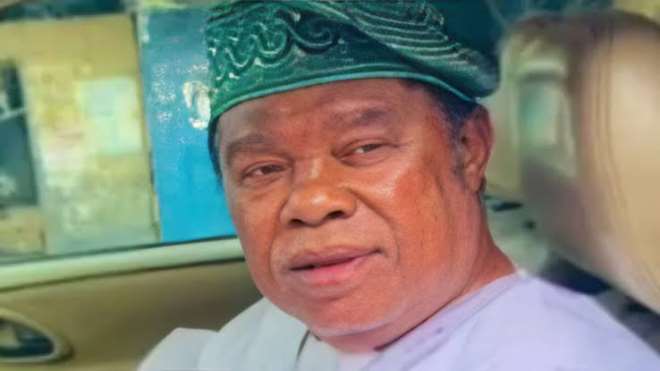
The death of Asa Koko on the 30th of January, 2025, marked the loss of one of Nollywood’s dependable Yoruba actors. Known for his humility and consistency, Asa Koko spent years interpreting roles that mirrored everyday struggles and triumphs of ordinary Nigerians. Despite battling a prolonged illness, he remained committed to his craft, often appearing on set when many would have stepped away. His passing reignited discussions about healthcare and welfare for veteran actors who quietly give their lives to the industry.
Pat Ugwu

Pat Ugwu, died on the 5th of February, 2025, at 35, represented a new generation of Nollywood talents, versatile, ambitious and business-minded. Beyond acting, she was a model and fitness coach who inspired young women to embrace wellness and confidence. Her sudden death shocked fans and colleagues, many of whom described her as energetic, disciplined and full of life. Her story remains a painful reminder of how unpredictably life can end.
Nkechi Nweje

When Nkechi Nweje passed away in March 2025, Nollywood lost one of its most relatable maternal figures. Popular for playing strong, principled mothers and community women, she embodied authenticity on screen. Her performances felt real because they reflected familiar Nigerian family dynamics. Though not always in the spotlight, her impact was deeply felt, especially among audiences who saw their own mothers in her roles.
Kayode Peters

Kayode Peters, who died on the 28th of June, 2025, at 49, was more than a filmmaker he was a creative mentor. From theatre to television and film, Peters nurtured talents and pushed boundaries in storytelling. His death in Canada after a prolonged illness drew emotional tributes from actors and directors who credited him for shaping their careers. He is remembered as a quiet force whose influence will live on through the many creatives he trained.
Columbus Irosanga
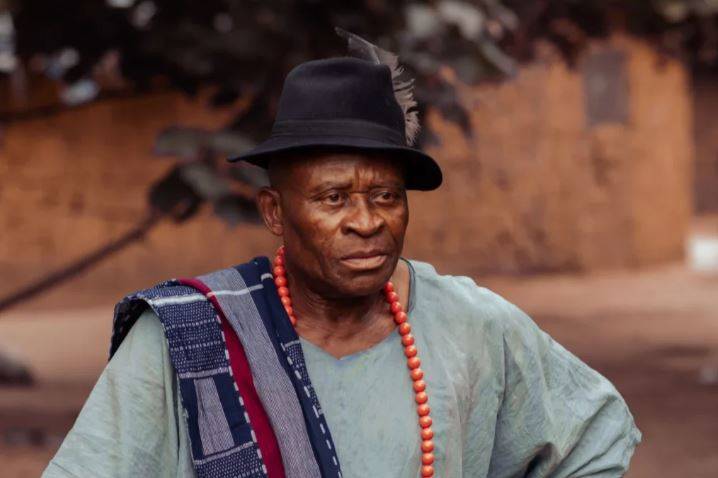
The death of Columbus Irosanga on the 6th of February, 2025, robbed Nollywood and academia of a rare bridge between theory and practice. A senior lecturer at the University of Port Harcourt and a respected actor, Irosanga was best known for commanding traditional roles. His deep voice and authoritative presence made him unforgettable. As a teacher, he molded minds; as an actor, he preserved culture.
Anike Agbaje-Williams

When Anike Agbaje-Williams died on the 26th of February, 2025, at 88, Nigeria lost a broadcasting legend. As the country’s first female television broadcaster, she defied societal norms at a time when women were rarely seen or heard in the media. Her courage opened doors that many now walk through freely. Her legacy stands tall in every female voice heard on Nigerian television today.
Bolaji Olanrewaju (Big Bolaji)

The gospel community was plunged into mourning with the death of Bolaji Olanrewaju, popularly called Big Bolaji, on the 19th of April, 2025, at 50. A gospel singer, worship leader and pastor, his music carried messages of hope, gratitude and unwavering faith. Big Bolaji was known for blending spirituality with simplicity, making worship accessible to all. His songs continue to echo in churches long after his passing.
Olusegun Akinremi (Chief Kanran)

Chief Kanran, who died in August 2025, was a pillar of Yoruba cinema. Loved for his comic timing and cultural depth, he brought indigenous storytelling to life in a way few could. His roles often carried moral lessons wrapped in humour, endearing him to grassroots audiences. His death symbolised the gradual fading of an era dominated by cultural purists in filmmaking.
READ ALSO: Veteran Actor Olalere OsunPaimo Alive, ANTP Debunks Fake Death Reports
Sanku

The sudden death of Sanku on the 1st of September, 2025, in a fatal car accident shocked Nigeria’s digital content space. A fast-rising comedian and skit maker, Sanku connected with young audiences through street-inspired humour and everyday experiences. His content was raw, relatable and full of promise. His death highlighted the growing list of young creatives whose dreams ended too soon.
Somtochukwu Christelle Maduagwu

At just 29, Somtochukwu Christelle Maduagwu had already made her mark as a broadcast journalist and former beauty queen. Her death on the 20th of September, 2025, following an armed robbery incident, sparked national outrage. Known for her professionalism and elegance on screen, Somtochukwu represented a generation of young women redefining Nigerian journalism. Her loss renewed conversations about insecurity and the safety of professionals.
Dan Agbese

The passing of Dan Agbese on the 17th November, , 2025, at 81, marked the end of a powerful era in Nigerian journalism. A respected columnist and intellectual voice, Agbese shaped public opinion with clarity and courage. His writings challenged authority, encouraged accountability and mentored generations of journalists. In death, he is remembered as a man whose words outlived him.
Allwell Ademola

The year closed painfully with the death of Allwell Ademola on the 27th of December, 2025, at 49. A former child star who evolved into an actress, producer and writer, Ademola’s career reflected growth and resilience. Her sudden death shocked the industry, particularly because of her hopeful public affirmations shortly before passing. Her story stands as one of promise, faith and abrupt loss.
In conclusion, these eleven names define 2025 as a year Nigeria will never forget. Though their voices are silent, their legacies remain alive in films, songs, news archives and collective memory. They may be gone, but their stories continue to shape the nation’s cultural identity.