
Nigeria’s political atmosphere this week oscillated between accusations of corruption, military tragedy, and shifting loyalties.
From SERAP’s demand for transparency over a missing ₦18.6 billion in the National Assembly to the death of a senior army commander in Borno, the nation’s headlines captured a mix of scandal and sorrow.
President Tinubu reshuffled the military high command, urged the new INEC chairman to safeguard electoral integrity, while Oyo’s Seyi Makinde lamented the ideological emptiness driving Nigeria’s politics.
In Abuja, Nyesom Wike reignited tension within the PDP, warning of implosion over internal exclusion. Each development underscored a country still struggling to balance accountability, unity, and conviction in governance.
1. SERAP to Akpabio, Abbas: Account for Missing ₦18.6bn NASS Fund

SERAP urged Senate President Akpabio and Speaker Abbas to explain how ₦18.6bn meant for a National Assembly office complex was allegedly paid to a “fictitious company,” demanding full disclosure and accountability.
Why it Matters:
This scandal pierces the heart of legislative integrity. In a country where the National Assembly should symbolise oversight, such allegations feed public anger about impunity in elite circles. SERAP’s threat of legal action underscores growing civic frustration with corruption woven into Nigeria’s governing fabric.
2. Boko Haram Kills Army Commander, Soldiers in Borno
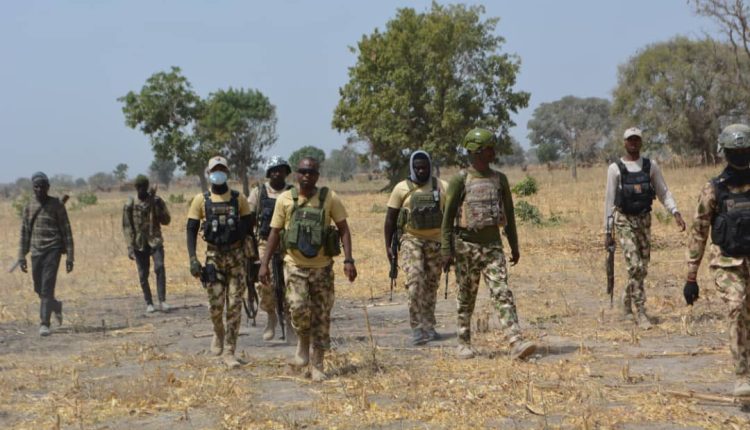
Lt. Col. Aliyu Paiko and several soldiers were killed in a clash with Boko Haram insurgents in Borno’s Bama area, despite successfully foiling a planned terrorist attack.
Why it Matters:
The deaths highlight the fragility of peace in the North-East and the heavy human cost of Nigeria’s prolonged insurgency. Each officer lost symbolises years of sacrifice undermined by inconsistent strategy and insufficient support for the military. It questions whether Nigeria is closer to ending this endless war.
3. Tinubu Reshuffles Military, Names Oluyede CDS

President Tinubu appointed General Olufemi Oluyede as the new Chief of Defence Staff and replaced the service chiefs in a broad military shake-up to strengthen national security.
Why it Matters:
While the move signals a desire for renewed military direction, it also reflects Tinubu’s consolidation of loyalty within security structures, amid rumours of an attempted coup. The challenge remains whether new commanders can shift from symbolism to real results, especially as insecurity festers in multiple regions.
READ ALSO: Power, Pardon, and Crumbling Opposition: Nigeria’s Week of Reckoning
4. Tinubu to INEC Chair: Safeguard Nigeria’s Democracy
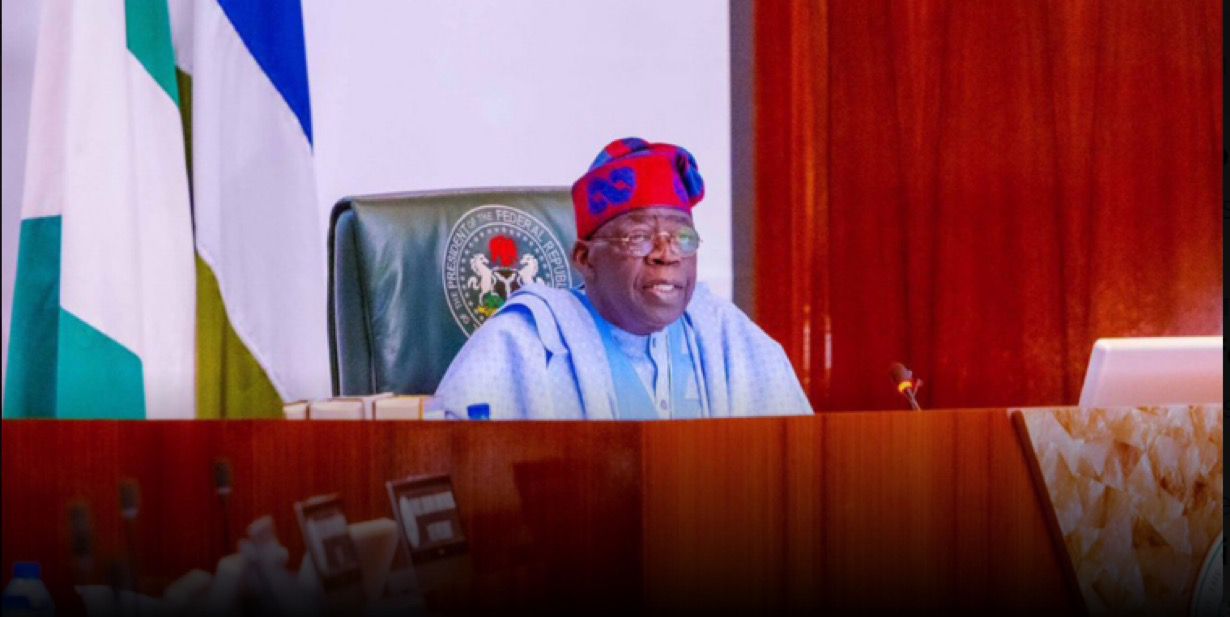
President Tinubu urged newly sworn-in INEC Chairman, Professor Joash Amupitan, to ensure transparency and credibility in Nigeria’s elections, especially ahead of the 2025 Anambra governorship poll.
Why it Matters:
The appeal for electoral integrity is timely but ironic. The credibility of INEC has been under siege since 2023. Amupitan’s tenure will test if reform is genuine or rhetorical, whether the ballot box can finally outweigh the influence of state power.
5. Makinde: Rampant Defections Prove Nigeria Lacks Ideology
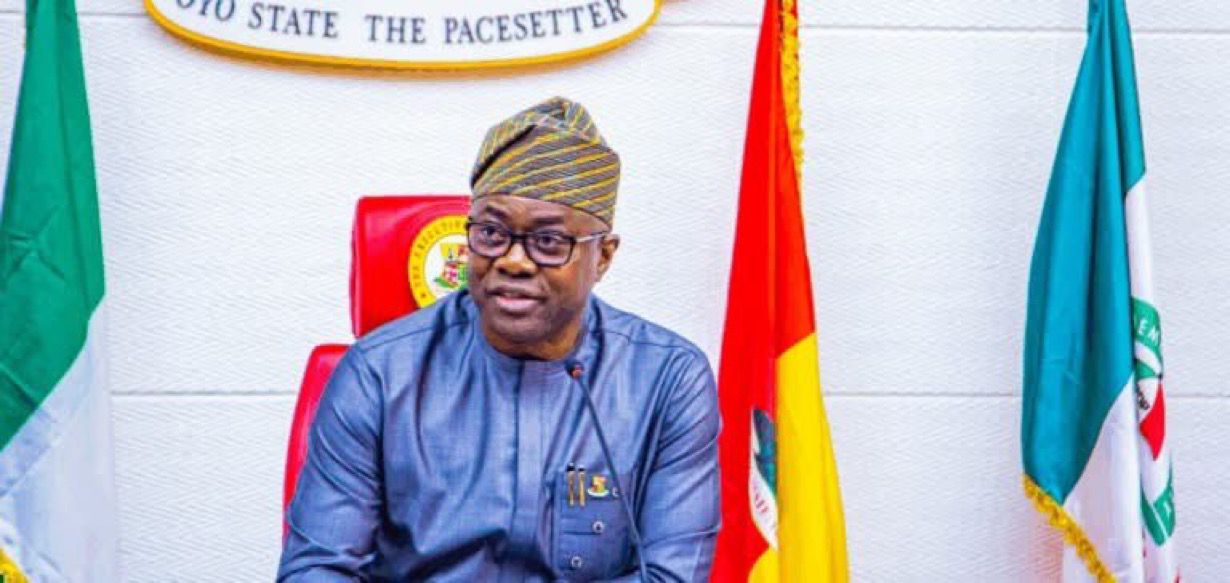
Governor Seyi Makinde lamented that Nigeria’s political culture lacks ideology, noting that constant defections between parties show politicians are driven by power, not principle.
Why it Matters:
Makinde’s words cut deep into Nigeria’s political malaise. The absence of ideology reduces governance to transactional politics, where loyalty follows access to power. It exposes why development often stalls, not from lack of talent, but from lack of conviction.
6. Wike Warns: PDP Will Collapse If I’m Sidelined
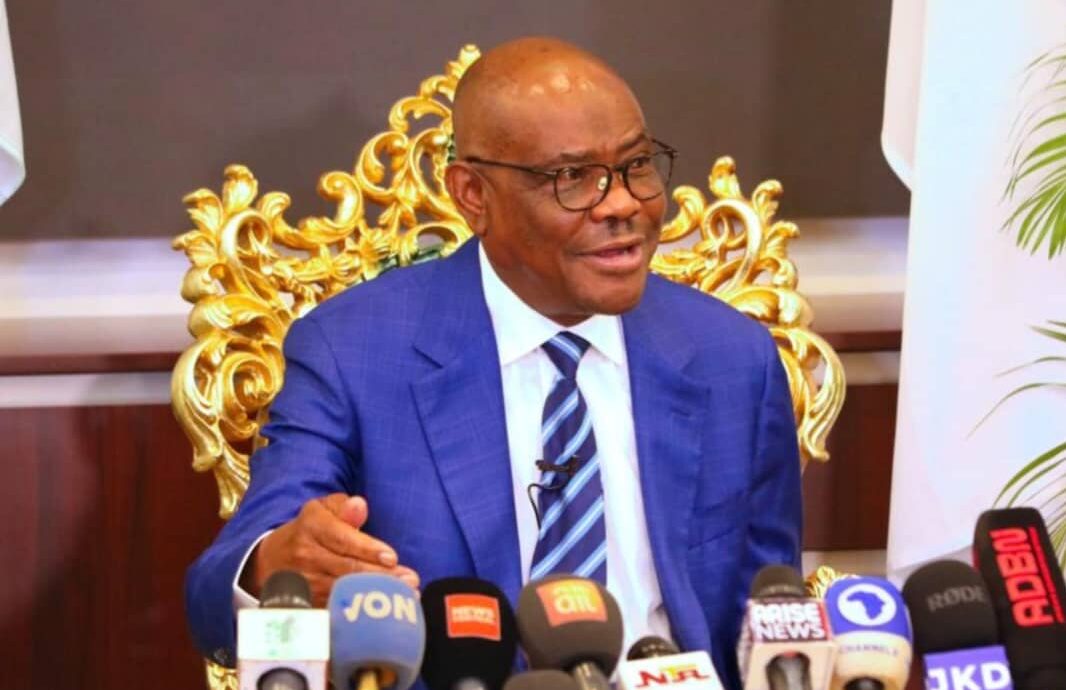
FCT Minister Nyesom Wike accused PDP governors of excluding him from major decisions, warning that the opposition party risks self-destruction if it continues to alienate founding figures like himself.
Why it Matters:
Wike’s outburst reveals the PDP’s worsening internal fractures. His grievances, swaying between unchecked ego and genuine concern, expose a party unable to reconcile ambition with unity. As the APC grows stronger, PDP’s self-inflicted wounds may soon render it politically irrelevant.
Conclusion
This week’s developments capture Nigeria’s paradox: leaders promise integrity while institutions decay under their watch.
From missing billions to fallen soldiers and partisan infighting, the nation’s struggles are less about resources than about ethics and vision.
Until transparency becomes habit, not performance, and ideology replaces opportunism, Nigeria’s democracy will remain an instrument of power rather than a platform for progress.