
Nigeria stands at a critical juncture, with governance, democracy, and national stability under intense scrutiny. This week saw an unprecedented political intervention in Rivers State, as President Bola Tinubu imposed emergency rule, effectively ousting Governor Siminalayi Fubara. The National Assembly swiftly endorsed the move, sparking legal and political debates. Meanwhile, the Ijaw ethnic group, feeling marginalised, reignited self-determination discussions.
Amidst the turmoil, opposition forces, led by Atiku Abubakar, launched a coalition against Tinubu for 2027. In the Senate, Natasha Akpoti-Uduaghan’s allegations against Godswill Akpabio exposed cracks within the legislature, while confusion over the PDP’s National Secretary position added to Nigeria’s deepening political chaos.
1. Tinubu Declares Emergency Rule in Rivers State

President Tinubu declared a state of emergency in Rivers, citing a governance breakdown, legislative dysfunction, and security concerns. Governor Fubara, his deputy, and state lawmakers were suspended, with retired Vice Admiral Ibok Étè-Ibas appointed as the state’s administrator.
Why it Matters:
This decision sets a dangerous precedent, as it effectively nullifies a democratically elected government. While Tinubu argues that Rivers was ungovernable, critics see a power play favouring his ally, Nyesom Wike. If unchecked, this intervention could embolden future leaders to override state autonomy under the guise of security concerns. The broader question remains: will this stabilise Rivers or fuel deeper political unrest?
2. National Assembly Backs Tinubu’s Emergency Rule

Both chambers of the National Assembly swiftly endorsed the state of emergency through controversial voice votes, granting Tinubu legislative backing. The lawmakers also proposed taking over the state legislature’s functions and forming committees to monitor the situation.
Why it Matters:
The rubber-stamping of Tinubu’s decision highlights the growing consolidation of federal power. The National Assembly’s role as an independent check on the executive is now in question, raising concerns over Nigeria’s democratic resilience. By approving emergency rule without significant debate, lawmakers may have set a precedent where political expediency trumps constitutional safeguards.
3. Ijaw National Congress Reacts, Raises Self-Determination Concerns

The Ijaw National Congress (INC) condemned the emergency declaration, viewing it as an attack on the Ijaw people. INC President Benjamin Okaba hinted at exploring self-determination options, criticising Tinubu’s failure to address Wike’s role in the crisis.
Why it Matters:
This development reignites longstanding ethnic grievances in the Niger Delta. The Ijaw’s calls for self-determination, if amplified, could deepen Nigeria’s fragmentation. Tinubu’s selective intervention—sparing Wike while targeting Fubara—has reinforced perceptions of ethnic and political bias, further straining the already fragile unity of the federation.
4. Atiku Unveils Opposition Coalition for 2027

Atiku Abubakar announced a coalition of opposition figures—including Peter Obi’s camp, Nasir El-Rufai, and Babachir Lawal—aimed at unseating Tinubu in 2027. This alliance emerges amid growing discontent with Tinubu’s governance.
Why it Matters:
While opposition unity is vital for challenging Tinubu, history suggests Nigerian political coalitions are often fragile and driven by personal ambitions rather than ideological alignment. The real test will be whether Atiku and his allies can sustain cohesion beyond rhetoric and present a viable alternative that resonates with Nigerians disillusioned by the current administration.
READ ALSO: Nigeria on Edge: Legal Misconduct, Political Upheaval, and the Promise of Reform
5. Senate Operates Like Cult, Lawmakers Fear Speaking Against Akpabio — Natasha
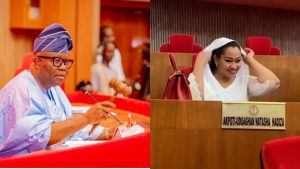
Senator Natasha Akpoti-Uduaghan accused Senate President Godswill Akpabio of sexual harassment and described the Senate as a “cult” where lawmakers fear speaking out. Her six-month suspension, coupled with her appeal to the UN, has sparked debates on gender politics and institutional intimidation.
Why it Matters:
Akpoti-Uduaghan’s claims highlight the entrenched power dynamics within Nigeria’s legislature, where dissent is often met with retribution. Her allegations, whether proven or not, expose the Senate’s credibility crisis. If unchecked, the culture of silence and intimidation could further erode public confidence in Nigeria’s democratic institutions.
6. Supreme Court Judgment Throws PDP Into Crisis
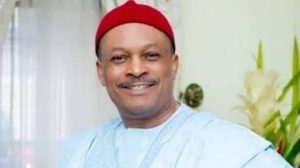
The Supreme Court reinstated Senator Samuel Anyanwu as PDP’s National Secretary, overturning previous rulings. However, the PDP leadership insists Udeh Okoye remains the legitimate occupant of the role, creating a legal and political standoff within the party.
Why it Matters:
This episode underscores the PDP’s deep internal fractures, weakening its ability to present a unified opposition ahead of 2027. The party’s disregard for judicial rulings raises questions about its commitment to the rule of law. If unresolved, this leadership crisis could further diminish the PDP’s electoral viability.
Conclusion:
Nigeria is at a tipping point, with governance, democracy, and national stability hanging in the balance. Tinubu’s emergency rule in Rivers signals a worrying trend of federal overreach, while the Ijaw response exposes deep ethnic tensions. Opposition forces are mobilising, but history suggests alliances in Nigeria often crumble under personal ambitions. Meanwhile, the Senate’s internal turmoil and the PDP’s leadership crisis reflect a broader institutional decay. As the country navigates these turbulent waters, the central question remains: is Nigeria headed for greater political control or an era of intensified resistance? The coming weeks will determine whether these developments strengthen the democratic fabric or further unravel it.