
Nigeria’s political stage this week was alive with declarations, warnings, and strategic manoeuvres as key players sought to shape narratives ahead of 2027.
Peter Obi doubled down on his one-term vow despite ridicule from opponents. INEC took a bold step toward enfranchising prison inmates, while the federal government issued an urgent flood warning for 30 states.
Inside the PDP, there was movement on multiple fronts: talk of offering Goodluck Jonathan an automatic presidential ticket, stern threats to members backing Tinubu, and a direct appeal from Bauchi’s governor for Obi to return to the party.
Together, these developments reveal a nation balancing political ambition, electoral reform, and urgent governance challenges.
1. Peter Obi Reaffirms One-Term Pledge Amid Criticism
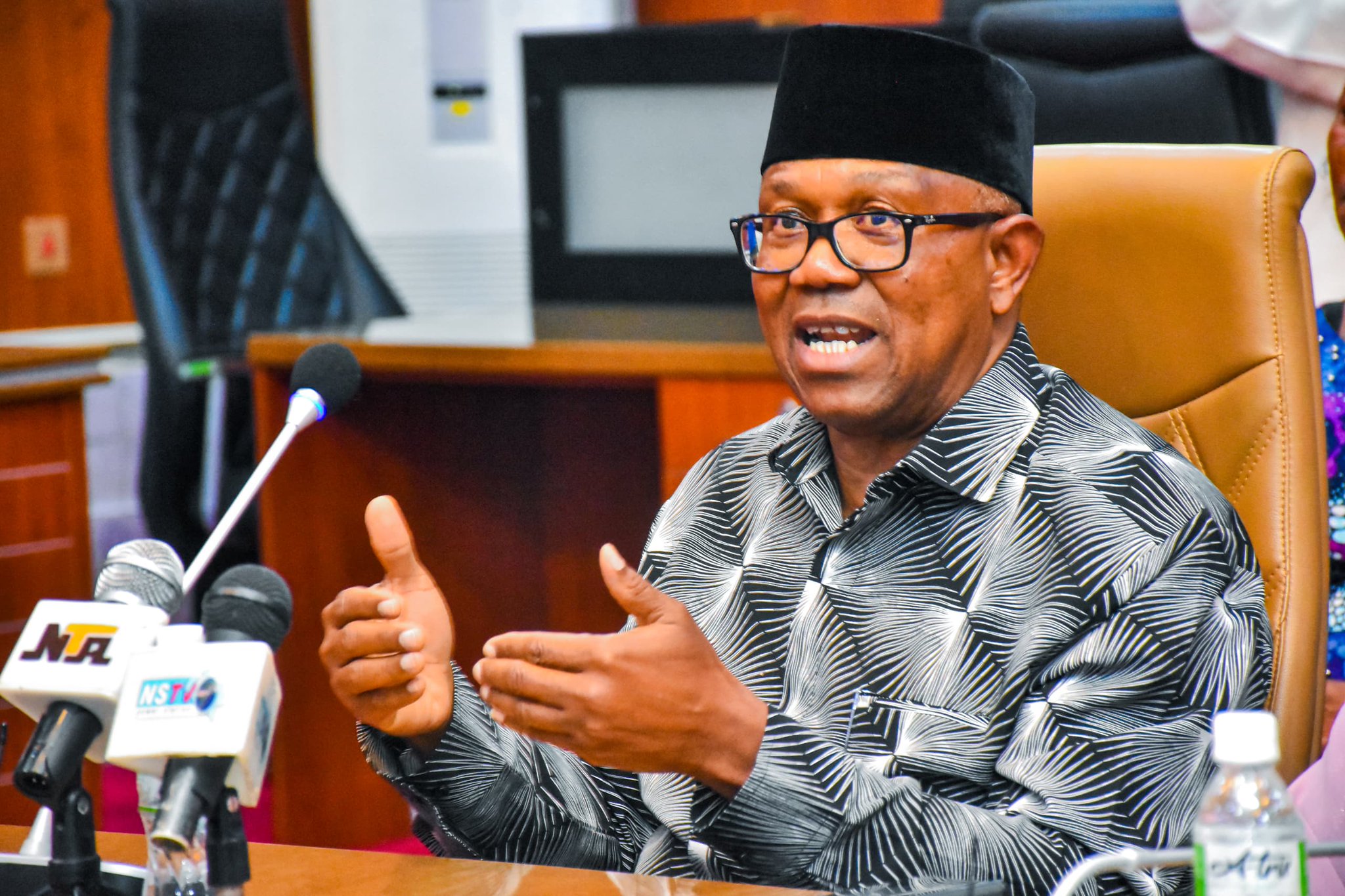
Peter Obi restated his commitment to serve only one term if elected president, likening himself to global leaders who made lasting impacts in short tenures. He dismissed scepticism from Governor Charles Soludo and activist Deji Adeyanju, insisting 48 months was enough for focused reform.
Why it Matters:
Obi’s stance doubles as a moral brand and a political risk. It strengthens his outsider, reformist appeal to young urban voters who backed him in 2023, yet it complicates deal-making with party elders who prize longer tenure for influence. In a system where trust in promises is low, his stance forces allies and rivals to reveal whether they prioritise principle or power.
2. INEC Moves to Enfranchise Prison Inmates

INEC announced steps to enable eligible prison inmates to vote, particularly those awaiting trial, to register and vote, in line with a 2019 Court of Appeal ruling affirming prisoners’ constitutional voting rights.
Why it Matters:
This reform could expand Nigeria’s electorate and align with constitutional principles, but it presents challenges in logistics, security, and preventing political exploitation inside prisons. Legislative action, transparent procedures, and public education will be vital to avoid controversy and safeguard integrity.
3. FG Warns of Imminent Floods in 30 States, FCT

The federal government warned of possible floods in 30 states and Abuja from August 7 to 21, identifying hundreds of vulnerable communities. NEMA reported nearly 200 deaths and widespread displacement from earlier floods already this year.
Why it Matters:
The forecast is a test of state capacity and crisis planning. Repeated large-scale flood events have exposed weak urban drainage, dam management gaps, and underfunded preparedness systems. Beyond lives lost, floods destroy crops, roads, and informal livelihoods, deepening food insecurity and fiscal strain. How governments respond will shape public trust ahead of the next election cycle.
READ ALSO: Nigeria’s Democracy on Edge: Electoral Betrayal, Power Plays, and a Fractured Opposition
4. PDP Eyes Jonathan for 2027 Presidential Ticket

The PDP said former President Goodluck Jonathan could secure its 2027 ticket if he returns to the party and takes a more active role. Party officials called him a natural leader capable of reshaping the political landscape.
Why it Matters:
Jonathan’s candidacy would recenter politics around an elder statesman with a reputation for a peaceful concession in 2015, yet it could alienate younger voters who see the party as needing renewal. Offering an automatic ticket risks deepening internal rivalries while betting on name recognition over reform credentials. The choice reveals PDP’s current dilemma: seek broad familiarity or build fresh legitimacy.
5. PDP Threatens Sanctions for Members Backing Tinubu

The PDP warned members supporting President Tinubu’s re-election bid of possible sanctions, citing breaches of party rules. The leadership called the endorsements a serious threat to unity and electoral strength.
Why it Matters:
The warning underscores PDP’s struggle to enforce discipline as 2027 approaches. Public endorsements for a rival party expose fault lines that could bleed votes and accelerate defections. Enforcing discipline is necessary for coherence, Nigerians will watch with keen attention, whether the PDP will truly sanction big wigs like Nyesom Wike who has seemingly held the party by its jugular, daring any consequence.
6. Gov Bala Urges Peter Obi to Return to PDP

Bauchi State Governor Bala Mohammed urged Peter Obi to return to the PDP, calling for opposition unity to counter economic hardship and public frustration. Obi said political alliances were necessary but must focus on development, not power grabs.
Why it Matters:
Bala’s appeal captures the strategic calculus of opposition governors who want to pool resources and broaden geographic reach. Obi’s return would reshape electoral arithmetic, but it would also force trade-offs: on one hand, credibility among younger voters; on the other, access to party machinery. The tension between movement politics and party structures is now a defining question for 2027 planning.
Conclusion:
This week shows Nigeria negotiating three overlapping challenges.
First, politics remains a contest of narratives; promises such as Obi’s one-term vow signal a desire for a new ethics but will be tested by hard coalition politics.
Second, institutions are nudging expansion of rights with INEC’s inmate-voting initiative, even as capacity concerns linger.
Third, climate-driven risks remain immediate, turning elections into governance tests rather than rhetoric contests.
The interplay of moral claims, institutional reform, and ecological vulnerability will shape whether 2027 is a turning point or a replay of old patterns. Leaders who can translate promises into credible, scalable action will shape the country’s next decade.