
A growing welfare crisis is unfolding at the University of Nigeria, Nsukka (UNN), as postgraduate students raise alarm over the prolonged closure of their hostels, leaving many without stable accommodation for months.
The issue gained wider public attention on Wednesday after broadcaster Oseni Rufai shared on his X (formerly Twitter) account an anonymous 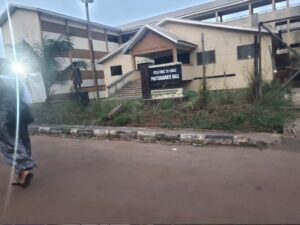
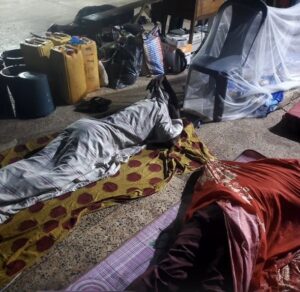
 message from a currently enrolled postgraduate student detailing the situation.
According to the student, the university administration shut down postgraduate hostels in November last year, citing the need for urgent renovations.
However, more than three months later, the hostels reportedly remain locked, with no visible signs of construction work, equipment, or contractors on site.
The student alleged that despite repeated informal inquiries, university management has provided no official communication outlining timelines, alternative arrangements, or explanations for the delay.
Meanwhile, academic activities have reportedly continued uninterrupted. Postgraduate students are still required to attend lectures, participate in seminars, sit examinations, present research proposals, and defend theses as scheduled.
“The university demands full academic engagement and compliance, yet it has completely abdicated its responsibility to provide even the most basic living conditions,” the anonymous student wrote.
The message paints a troubling picture of displacement, with some students allegedly resorting to sleeping in open or abandoned spaces, waking before dawn to bathe outdoors and relieve themselves in nearby bushes.
READ ALSO: Iconic Open University Secures NUC Approval for New Postgraduate, Undergraduate Programmes
Others are said to be crowded into off-campus apartments, where landlords have reportedly taken advantage of the situation by charging inflated rents.
The welfare concerns extend beyond inconvenience. Students argue that the disruption affects their concentration, mental health, and overall academic performance, particularly for newly admitted candidates who relocated from distant states and, in some cases, from outside Nigeria.
As of press time, the University of Nigeria, Nsukka, had not issued a public statement addressing the allegations.
The situation has sparked renewed conversations about student welfare, infrastructure management, and accountability within Nigeria’s higher education system, as affected students await clarity and relief.