
It lasted barely thirty seconds—but in today’s digital age, that is more than enough time to ignite a national conversation.
The lights were bright, the room polished, the atmosphere elite. At the Miss Nigeria Patrons and Board Dinner, a young presenter leaned into the moment with a familiar, almost reflexive red-carpet question: “I am currently live with…?”
But the woman before her was not just any guest.
She was Omotola Jalade-Ekeinde.
And she did not answer.
Instead, she paused—visibly stunned—before delivering a response that has since echoed across timelines and talk shows: “You are here with who? I should tell you my name? You are not ready.”
In that instant, the glamour of the evening gave way to something sharper—something deeper. A moment that felt less like a slip and more like a statement.
The Flashpoint: A Moment That Split the Room
What happened next was swift: an apology, a brief recovery, and the continuation of the interview. But the damage; or depending on perspective, the lesson; had already been delivered.
Online, the reaction fractured almost immediately.
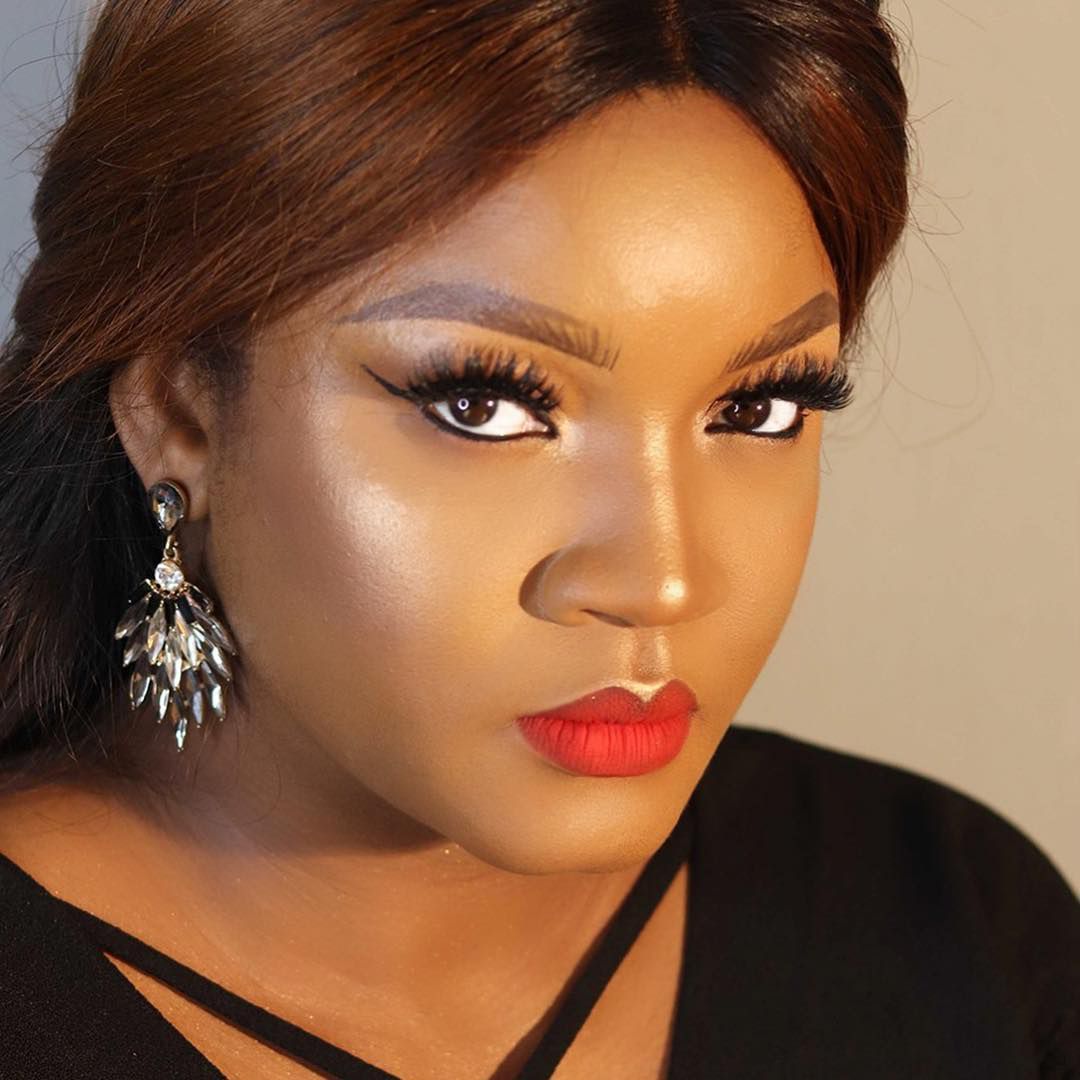
On one side were those who saw a veteran protecting the sanctity of her craft. To them, the exchange was not harsh—it was necessary. A reminder that journalism, even on the red carpet, demands preparation.
On the other side were critics who found the response excessive. In an era where interviews are conversational and digital-first, they argued, the question was standard practice—not a sign of incompetence.
What should have been a fleeting exchange became something larger: a cultural flashpoint exposing the widening gap between expectation and evolution.
The Legacy Blueprint: More Than a Name
To understand the weight behind that response, one must travel back nearly three decades; long before viral clips and livestream interviews defined celebrity encounters.
In 1995, Nollywood was still finding its voice. Structure was minimal. Systems were fragile. But ambition was abundant.
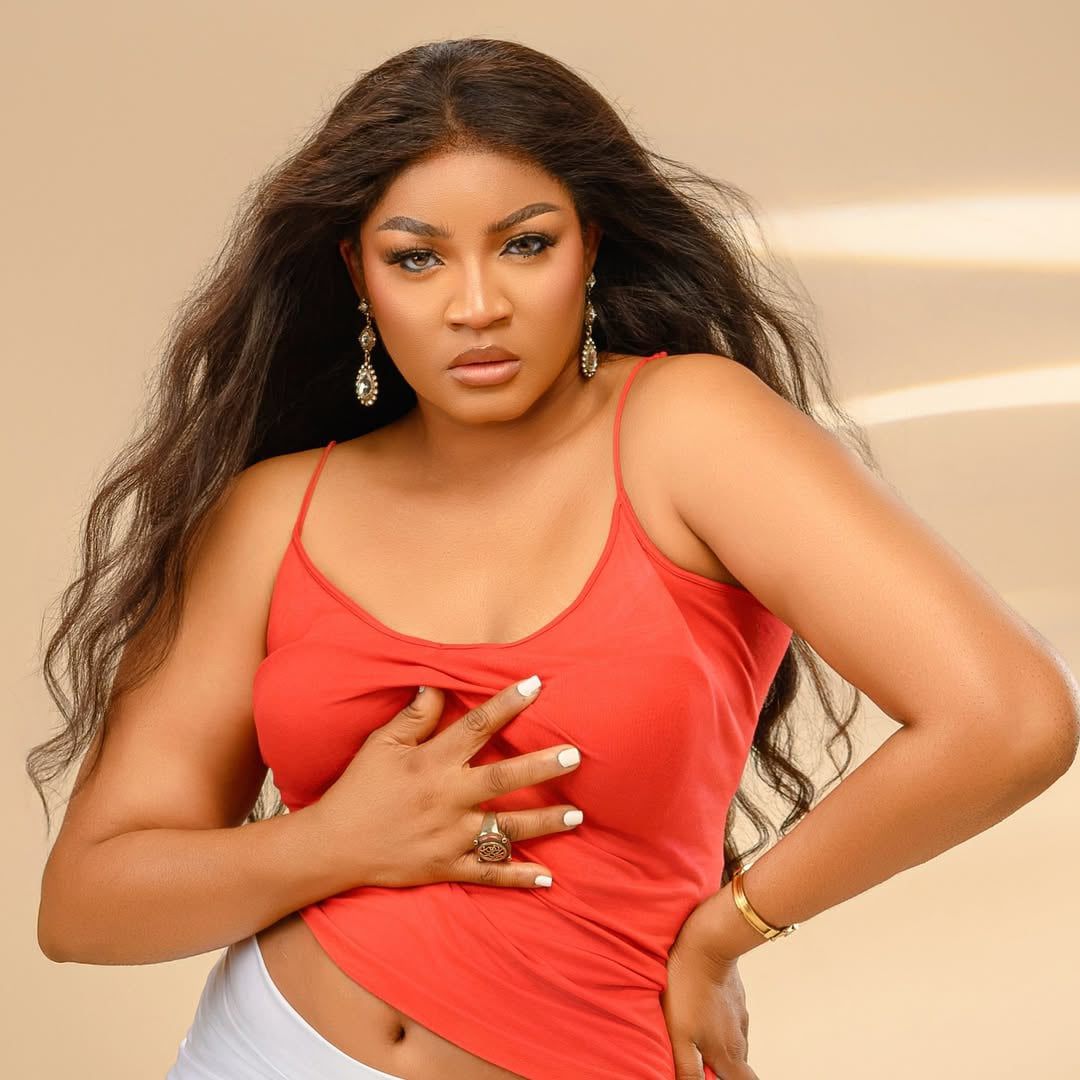
Into that space stepped Omotola.
From her debut in Venom of Justice to her breakout performance in Mortal Inheritance, she did not merely act, she defined what it meant to be seen. She helped shape the very idea of the Nollywood “A-lister,” building a career that would stretch beyond screens into global influence.
Recognition followed: international advocacy, cultural diplomacy, and a place among the world’s most influential voices.
But more than accolades, what she built was something intangible yet enduring—a standard.
Not just of performance, but of presence.
The Brand Called “Omosexy”
Behind the global name is a carefully constructed identity, one that did not happen by accident.
“Omosexy,” a nickname that evolved into a brand, represents more than glamour. It is discipline. It is consistency. It is survival in an industry where longevity is rare and reinvention is constant.
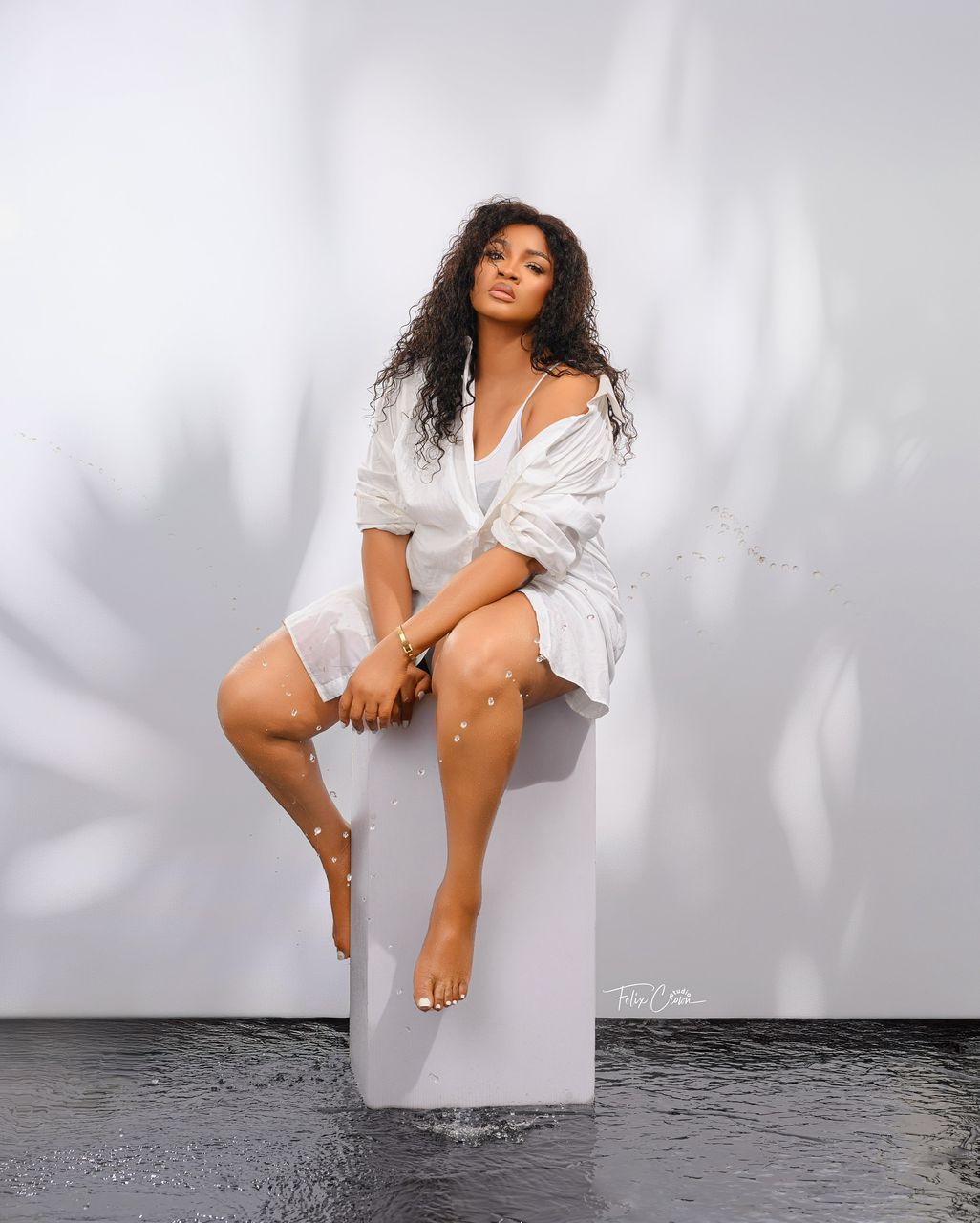
While many careers flicker, hers has endured, anchored by a stable family life, strategic choices, and a refusal to compromise on professionalism.
In a space often criticized for disorder, Omotola has long been an outlier, insisting on punctuality, preparedness, and respect for the craft.
Seen through this lens, her reaction on that red carpet was not spontaneous irritation. It was a reflection of a philosophy she has upheld for thirty years.
For her, the “standard” is not ego – it is protection.
The Cultural Collision: Old Guard Meets New Media
But the world has changed.
Today’s media landscape thrives on immediacy. Interviews are no longer always formal exchanges; they are moments, clips, content. The goal is connection, not ceremony.
In this new order, the question “Who am I with?” is not ignorance, it is a bridge. A way to introduce audiences scrolling in real time.
And so, the collision becomes inevitable.
On one side: a generation that believes legacy should command recognition.
On the other: a generation that prioritizes accessibility over protocol.
It raises uncomfortable questions.
Has professionalism in media declined, or has it simply evolved?
Is preparation still the gold standard, or has relatability taken its place?
And perhaps most importantly: can both worlds coexist?
The Debate: Discipline or Disconnection?
Public opinion continues to sway between admiration and critique.
Supporters describe the moment as a “teaching point”, a necessary correction in an increasingly casual media culture. They argue that excellence demands effort, and that icons deserve more than surface-level engagement.
READ ALSO: Toyin Abraham: The Billion-Naira Queen Of Nollywood
Critics, however, see a disconnect. They question whether the delivery overshadowed the message, turning what could have been guidance into discomfort.
Both perspectives hold weight.
Because at its core, the debate is not just about tone, it is about expectation.
The Bigger Question: What Do We Want From Our Icons?
Perhaps this is why the moment lingers.
It forces a reflection that goes beyond one exchange on a red carpet.
Do we want our legends to evolve with us – softer, more accessible, more forgiving of a changing world?
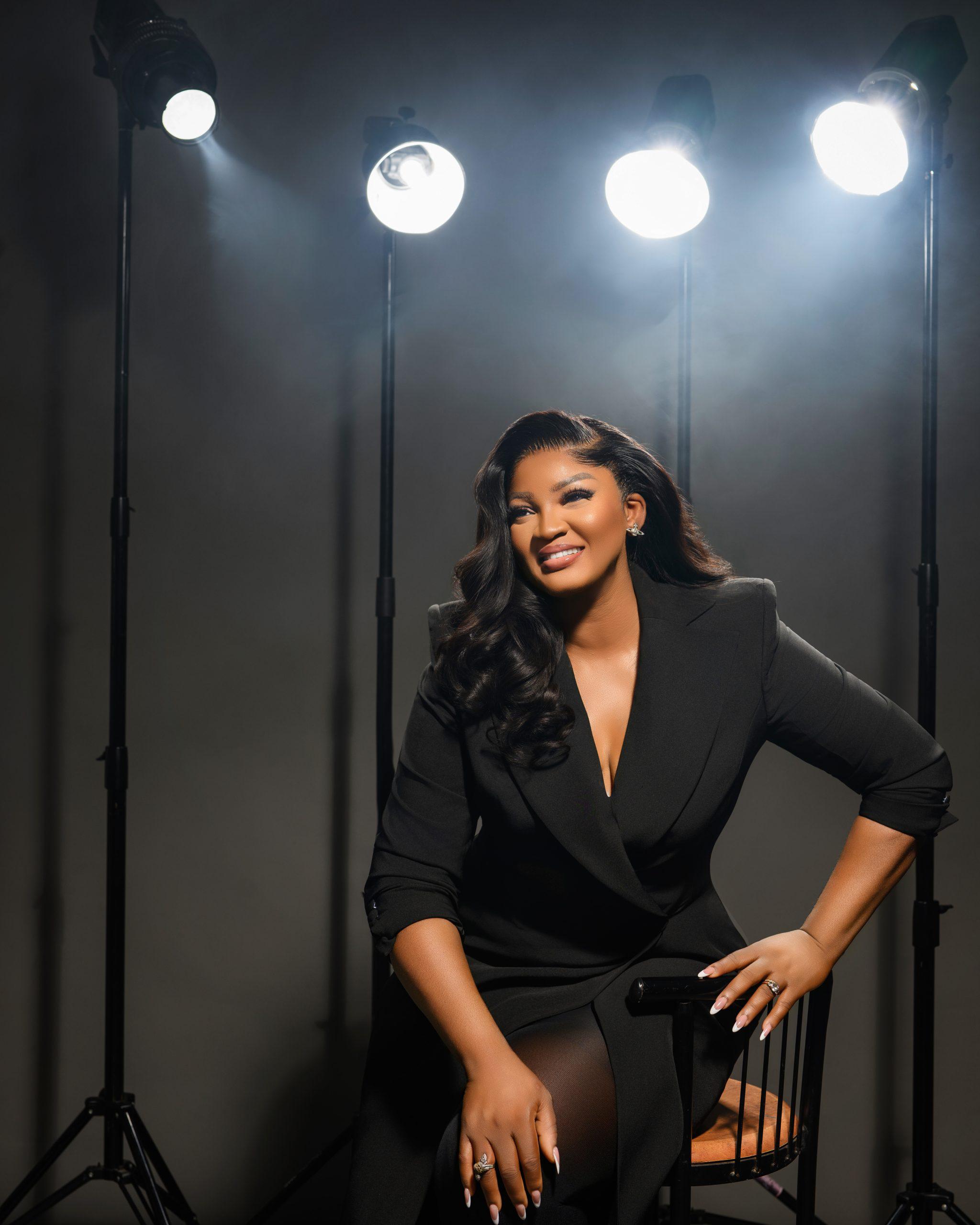
Or do we need them to remain exactly as they are; unyielding, precise, and uncompromising, so that something of value is not lost in the noise?
There is no easy answer.
But one truth remains clear.
After three decades in an industry that reinvents itself by the minute, Omotola Jalade-Ekeinde is still doing what she has always done, defining the terms of her presence.
And in a world that increasingly forgets, she is still making one thing unmistakably clear:
You should know who you are standing with.