
Nigeria’s week exposed a devastating custodial tragedy, an escalating credibility battle around a leading opposition candidate, internal fractures within the ruling coalition, and fresh questions about electoral neutrality ahead of 2027.
Wike and APC governors publicly clashed over his “rainbow coalition,” exposing tension over how Tinubu’s 2027 re-election campaign should be structured.
Thirty-seven suspected illegal miners died in NSCDC custody in Niger State barely two days after their arrest, prompting a suspension, a federal investigation, and three days of mourning.
The Presidency challenged Peter Obi to honour his pledge to quit the presidential race after Anambra State disputed his claim that he left office debt-free, escalating a financial dispute into a direct political confrontation.
Obi separately declared he has no objection to scrutiny of his academic records, welcoming a legal push for certified copies of his university credentials while challenging other candidates to do the same.
And the ADC warned INEC against appointing partisan lecturers, who had publicly endorsed Tinubu, as returning and collation officers for 2027.
1. 2027: Wike, APC Governors Clash Over Rainbow Coalition
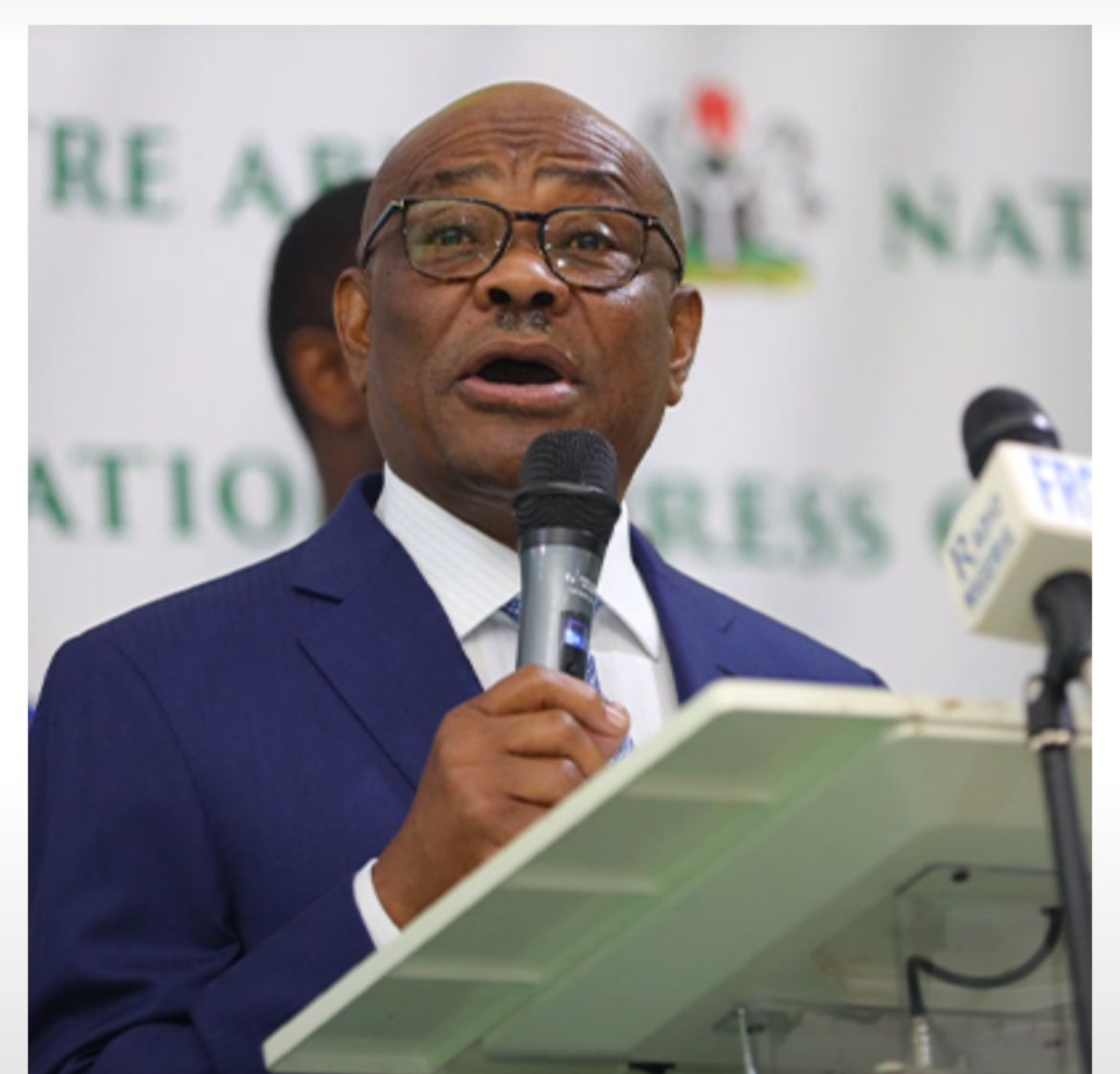
The Progressive Governors Forum declared APC governors would reject any arrangement weakening the party’s candidates, directly challenging Wike’s cross-party “rainbow coalition.” Wike insisted his coalition targets only the presidency and does not bind the PDP or other parties at state and legislative levels.
Why it Matters:
The clash exposes the central contradiction of Tinubu’s coalition strategy: Wike delivers opposition votes for the President while remaining PDP, but APC governors see a Trojan horse threatening their own re-elections. Wike’s coalition assumes voters can split their ballots between parties, supporting Tinubu for president while backing other candidates locally, a strategy he defends with 2023 precedent. APC governors see this as a threat to party discipline and candidate loyalty. If this tension remains unresolved, it could fracture coordination within Tinubu’s own support base well before the opposition poses any real threat.
2. 37 Suspected Miners Die In NSCDC Custody, FG Orders Probe

Thirty-seven suspected illegal miners died in NSCDC custody in Minna, Niger State, two days after their arrest. The commandant was suspended, a federal investigation launched, and the governor declared three days of mourning while cancelling a scheduled APC rally.
Why it Matters:
Thirty-seven deaths in custody within 48 hours is a catastrophic failure of state responsibility, regardless of the eventual cause. Whether disease, negligence, or deliberate harm, the incident demands answers that protect the fundamental right to safety of anyone in state custody, guilty or not. The swift suspension and investigation are appropriate first steps, but Nigerians will judge this case by whether the findings are transparent and whether accountability extends beyond a single suspended commandant.
READ ALSO: 2027 Alliance, Political Violence And Tinubu’s Test: Nigeria’s High-Stakes Week
3. Presidency Challenges Obi To Quit 2027 Race Over Anambra Debt Claims

The Presidency challenged Obi to honour his pledge to quit the presidential race after Anambra State disputed his claim of leaving office debt-free, citing ₦127.4 billion in outstanding loans and unpaid salary arrears. Obi maintains his administration left the state financially clean.
Why it Matters:
The Presidency directly demanding an opposition candidate’s withdrawal from a national election represents an unusual escalation in Nigerian pre-election politics. Whether the Anambra ledgers reveal genuine financial mismanagement or a coordinated political attack, the confrontation reduces a national policy conversation to a forensic accounting dispute over events from 2014. Voters deserve to know both the truth about Anambra’s finances and why this particular argument is being had, this loudly, now.
4. Obi: I Have No Objection To Scrutiny Of My Academic Records

Peter Obi voluntarily opened his academic records to public scrutiny following a lawsuit seeking certified copies of his UNN degree and NYSC records, and challenged every other 2027 presidential candidate to submit their credentials to the same standard of transparency.
Why it Matters:
Obi’s decision transforms the certificate controversy from a weapon aimed at specific candidates into a universal test of transparency that no candidate can opt out of without appearing to have something to hide. Whether this move ultimately favours or harms Obi will depend on what his records show. But the strategic brilliance of the gesture is undeniable, he has raised the ethical floor for candidate disclosure in a country where such floors have historically been ignored.
5. 2027: ADC Warns INEC Against Using Partisan Lecturers As Electoral Officers
The ADC called on INEC to reconsider appointing politically exposed academics as returning and collation officers, after more than 600 northern university lecturers publicly endorsed Tinubu. The party demanded published screening criteria and early disclosure of proposed election officials.
Why it Matters:
Returning and collation officers hold enormous power in Nigerian elections; they are often the last point of human judgment before results are declared. If hundreds of lecturers have publicly endorsed a candidate, their subsequent appointment to collate votes in that same election creates an obvious conflict of interest, regardless of individual integrity. INEC’s response to this demand will be an early test of whether the commission takes visible steps to protect its neutrality ahead of 2027, or whether it allows avoidable controversies to fester.
Conclusion
This week’s stories collectively reveal a nation where institutional failures, political infighting, and credibility battles are converging just months before formal 2027 campaigning intensifies.
Thirty-seven deaths in NSCDC custody demand accountability that extends beyond a single suspension. Wike and APC governors cannot agree on how Tinubu’s own coalition should function, exposing fragility within the ruling party’s support structure.
Obi faces simultaneous pressure over his Anambra financial record and his academic credentials, testing his campaign’s resilience under sustained scrutiny from multiple directions. And the ADC’s warning about partisan lecturers raises legitimate questions about whether INEC’s electoral machinery will be perceived as neutral when results are declared
None of these stories exist in isolation; together, they describe a political system where trust, in state custody, in coalition partners, in candidate integrity, and in electoral administration, is being tested on every front simultaneously, with 2027 still months away.