
Nigeria’s week was defined by a hostage crisis that exposed security failures, international allegations of corruption, and the continued disintegration of the main opposition party.
Boko Haram issued a 72-hour ultimatum threatening to disperse 416 captives if a ₦5 billion ransom is not paid, forcing the government to choose between negotiation and military rescue.
A US lawmaker accused Minister of State for Defence, Bello Matawalle of attempting to bribe an American official to change the narrative on a report alleging Christian killings in Nigeria.
PDP chieftain Dan Ulasi warned that the party cannot challenge Tinubu in 2027 with Nyesom Wike as its national leader while he openly supports the president.
Former Kano Governor Ibrahim Shekarau returned to the APC after leaving the PDP, citing internal contradictions.
And the Nigeria Union of Journalists criticised the NBC’s directive on broadcast conduct, warning it could institutionalize media censorship.
Together, these stories reveal a country where terrorism forces impossible choices, corruption allegations reach international levels, the opposition is eating itself, defections continue unchecked, and press freedom is under threat.
1. Boko Haram Issues 72-Hour Ultimatum, Threatens To Kill 416 Captives In Borno
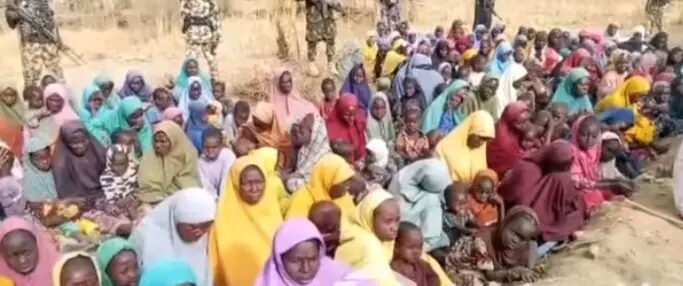
Boko Haram threatened to disperse 416 abducted women and children to undisclosed locations if a ₦5 billion ransom is not paid within 72 hours. The group welcomed any military rescue attempt, saying they are battle-ready.
Why it Matters:
The audacity of terrorists issuing ultimatums while holding over 400 citizens, mostly women and children hostage, exposes catastrophic security failures. This hostage crisis forces an impossible choice: pay ransom and fund terrorism, or attempt rescue and risk mass casualties. Either outcome is a defeat, even while some of the Chibok girls kidnapped since 2014, are still in captivity. The government must step up its intelligence and counterterrorism efforts, to ensure the release of the abductees.
2. US Lawmaker Alleges Bribery Attempt Against Nigerian Defence Minister Matawalle
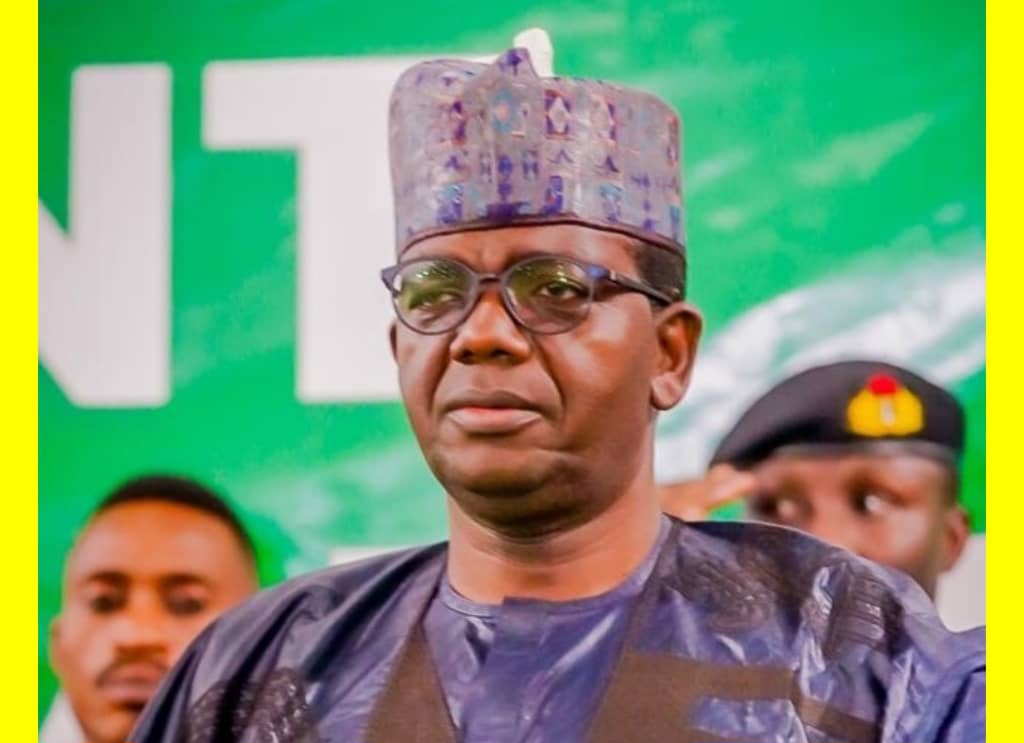
Florida Representative Kimberly Daniels accused Defence Minister Bello Matawalle of attempting to bribe a US official to counter a report alleging his involvement in killings of Christians. Matawalle has not responded to the allegations.
Why it Matters:
If proven, this allegation represents an extraordinary diplomatic scandal. A Nigerian minister allegedly attempting to bribe American officials to suppress critical reports would violate both Nigerian and U.S. laws, potentially triggering sanctions or investigation by American authorities. The accusation comes amid mounting calls for Matawalle’s removal over security failures in Plateau, Benue, and Kaduna. The silence from Matawalle and the presidency suggests either disbelief in the allegation’s severity or acceptance that such behavior is normal.
READ ALSO: Insecurity, Defections, and Political Pressure: Nigeria’s Fragile Week
3. Ulasi Warns PDP Cannot Challenge Tinubu With Wike As Leader

PDP chieftain Dan Ulasi said the party cannot challenge Tinubu in 2027 while Nyesom Wike acts as national leader yet supports the president. Ulasi threatened to leave the party if internal contradictions are not resolved.
Why it Matters:
Ulasi’s warning captures the PDP’s existential crisis: how can an opposition party challenge the government when its most powerful figure actively supports the incumbent? Wike’s dual role, PDP member and FCT Minister actively working for Tinubu’s re-election, creates a contradiction that undermines party coherence and electoral credibility. Ulasi’s threat to leave signals that frustration extends beyond rank-and-file members to party elders. If founding figures like Ulasi, present at the PDP’s creation with Alex Ekwueme, consider the party unsalvageable, it suggests Nigeria’s main opposition is collapsing from within.
4. Kano Ex-Governor Shekarau Rejoins APC After Exit From PDP
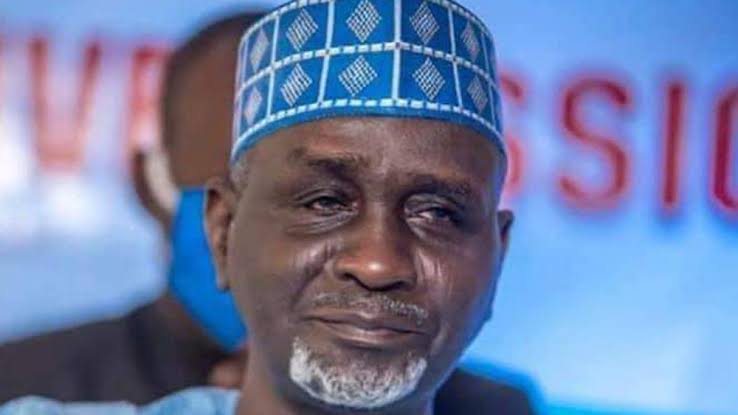
Former Kano Governor Ibrahim Shekarau left the PDP and returned to the APC, marking another shift in his long political career. The defection followed consultations and hints of internal PDP tensions. Senator Bello Hayatu Gwarzo also joined the move.
Why it Matters:
Shekarau’s return to the APC, his third major party switch, exemplifies the transactional nature of Nigerian politics where ideology matters less than proximity to power. His defection weakens the PDP in Kano, a crucial northern battleground state, while strengthening APC’s dominance. The ease with which senior politicians migrate between parties suggests Nigerian politics is less about competing visions for governance and more about access to resources and federal patronage. Each defection to the APC reinforces perceptions of one-party dominance and opposition irrelevance.
5. NUJ Faults NBC Directive, Warns Against Media Censorship
The NUJ criticized the NBC’s directive warning broadcasters against presenting personal opinions as facts or intimidating guests, calling it a veiled attempt to gag the media. The union said the move threatens press freedom and editorial independence.
Why it Matters:
The NBC’s directive, issued amid heightened political tensions ahead of 2027, threatens to silence critical journalism precisely when accountability is most needed. Threatening presenters with sanctions for “robust engagement” or “tough questions” is not regulation but censorship. The NUJ is right to resist. If journalists self-censor out of fear, the public loses access to information, and the government escapes accountability. Press freedom is not optional in a democracy.
Conclusion
This week’s stories collectively reveal a nation where terrorists issue ultimatums with impunity, government ministers face international bribery allegations, opposition parties crumble through internal contradictions and defections, and regulatory agencies target the press that should hold all accountable.
The connecting thread is institutional failure and the consolidation of power by those willing to use any means, from violence to corruption to censorship, to maintain control.
Nigeria’s democracy is not collapsing spectacularly but eroding gradually, one compromised institution at a time.
The 2027 election is eight months away, and the foundations of credible democracy are crumbling faster than they can be rebuilt.