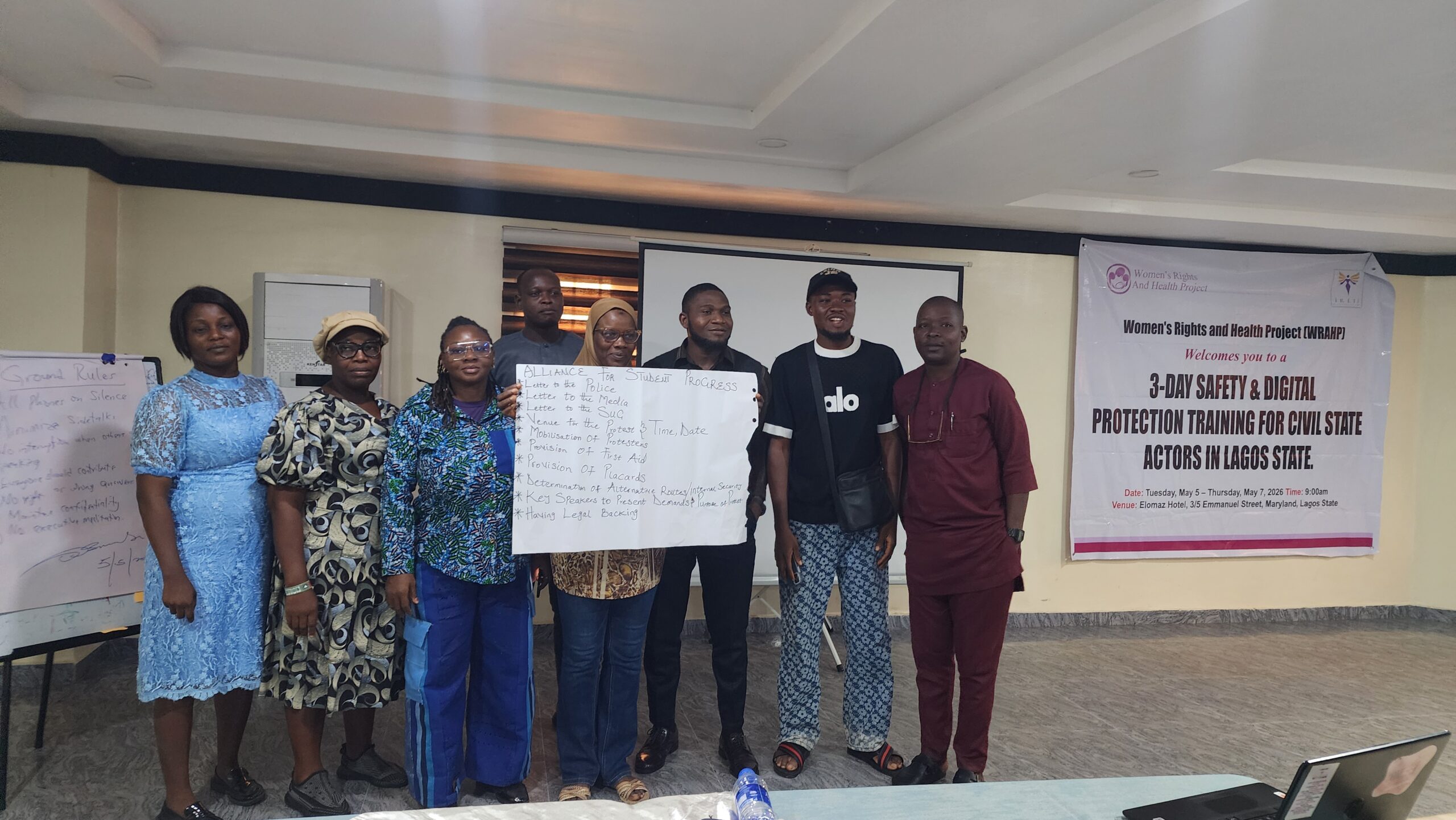
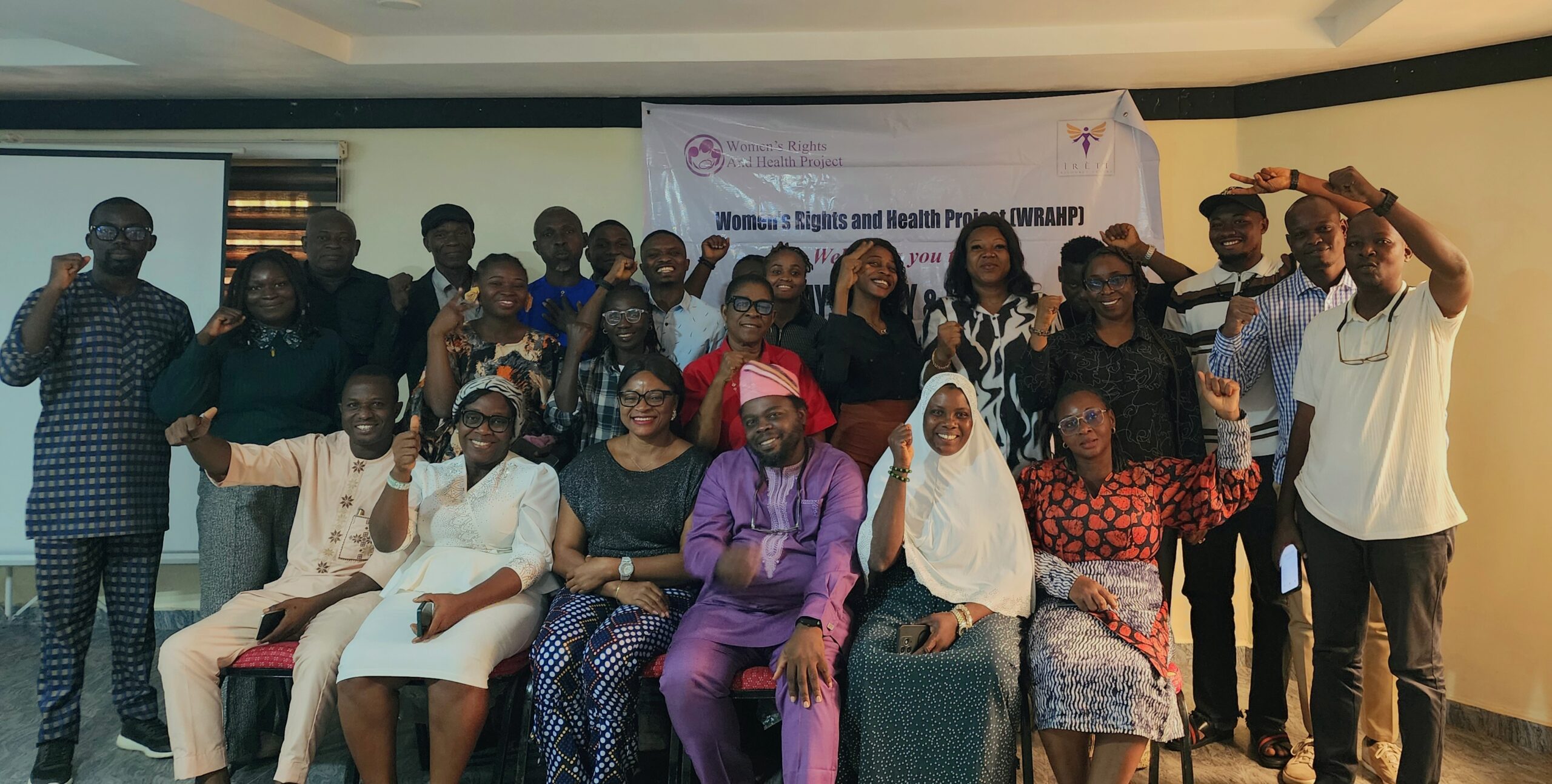
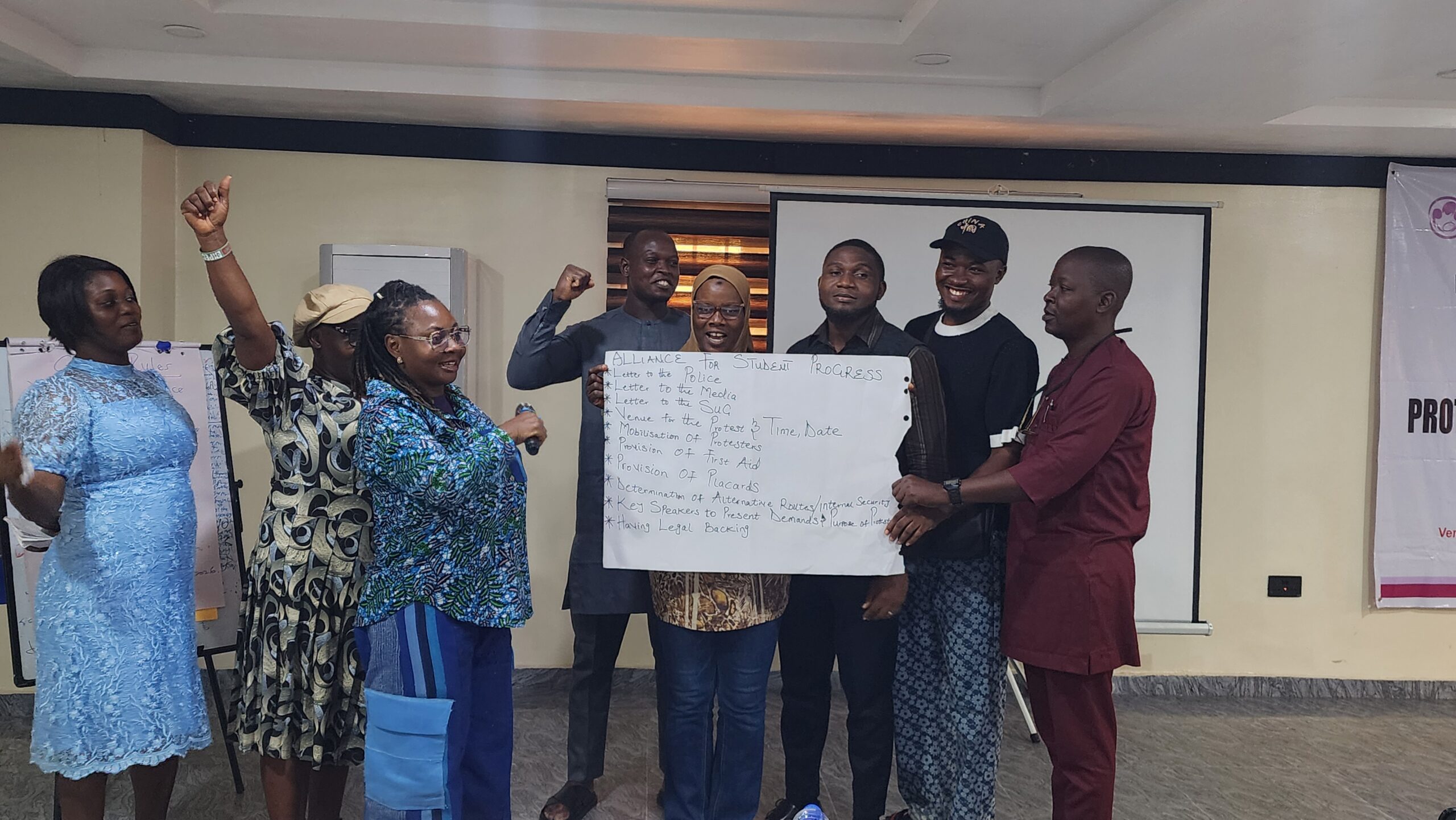
Civil society actors, journalists, grassroots advocates, and community leaders in Lagos are participating in a high-level three-day training on safety, digital protection, psychosocial resilience, and civic engagement organised by the Women’s Rights and Health Project (WRAHP), as concerns grow over shrinking civic spaces, digital surveillance, harassment, and security threats confronting human rights defenders across Nigeria.
The training, which began on Tuesday at Elomaz Hotel, is being held under the project, Strengthening Collective Protection and Resilience of Civil Society Actors in Lagos and Edo States, Nigeria.
The programme is bringing together participants from Community-Based Organisations (CBOs), Local Women’s Rights Organisations (LWROs), Civil Society Organisations (CSOs), activist groups, and media organisations to strengthen institutional and personal protection systems amid growing operational risks.
Building Protection Networks for Civic Actors
Organisers said the initiative was designed to equip civil actors with practical knowledge and survival tools needed to safely navigate increasingly complex civic environments marked by intimidation, digital attacks, misinformation, burnout, and legal pressure.
Speaking during the opening session, Bose Ironsi, Executive Director of WRAHP, stressed the importance of protecting the individuals and institutions driving democratic accountability and social justice.
“Civil society actors are essential to democracy, accountability, and community development. Strengthening their safety and resilience is not optional; it is necessary for sustaining human rights work and protecting the voices of vulnerable communities,” she said.
Ironsi noted that the training forms part of broader efforts to establish stronger protection networks across Lagos and Edo State, while encouraging collective approaches to safeguarding civic actors.
Civic Space, Rights and Democratic Participation
A major highlight of the second day was a session on civic space and human rights protection facilitated by legal practitioner Nathaniel Ngwu.
Ngwu described civic space as a fundamental pillar of democratic society, emphasising that active citizenship and accountable governance depend heavily on the protection of civil liberties.
He outlined three major frameworks underpinning civic space — freedom of association, freedom of peaceful assembly, and freedom of expression — describing them as essential constitutional rights that require constant vigilance and protection.
According to him, attacks on civic space often begin subtly through intimidation, misinformation, harassment, and restrictions targeting dissenting voices and advocacy groups.
He urged participants to approach activism strategically rather than emotionally, stressing that sustainable advocacy must be built on discipline, legal awareness, planning, and institutional support systems.
Rising Digital Threats and Online Vulnerabilities
Participants were also taken through intensive sessions on digital safety and online protection facilitated by digital security expert Adegbola Gbolahan.
The training highlighted growing digital threats facing activists and civil society organisations, particularly as advocacy and mobilisation increasingly rely on digital platforms.
Common threats identified during the sessions included phishing attacks, malware infiltration, hacking attempts, online surveillance, identity theft, data breaches, and coordinated misinformation campaigns.
READ ALSO: WRAHP Strengthens SGBV Response with Mental Health Clinic for Frontline Workers in Lagos
Facilitators warned that many civic actors remain vulnerable because of weak cybersecurity practices, poor password protection, unsafe communication channels, and lack of awareness around digital risk exposure.
Participants received guidance on secure communication practices, digital hygiene, threat mapping, risk assessment, and strategies for protecting sensitive information and organisational data.
Psychosocial Wellbeing and Burnout Prevention
Beyond physical and digital protection, the training also focused heavily on psychosocial resilience and emotional wellbeing, recognising the mental strain associated with human rights work, crisis response, and exposure to traumatic experiences.
Experts at the workshop noted that many advocates and frontline responders operate under intense pressure, often facing emotional exhaustion, stress, threats, and burnout without adequate institutional support.
Sessions explored coping mechanisms, stress management techniques, safeguarding protocols, peer support systems, and pathways for accessing psychosocial and legal assistance when needed.
Legal Compliance and Safeguarding Mechanisms
Participants were additionally trained on legal and regulatory compliance, conflict management, reporting pathways, and safeguarding systems aimed at protecting vulnerable persons and ensuring accountability within civil society structures.
The organisers said the programme would support participants in developing both personal and organisational safety plans that can continue beyond the training period.
Analysts and facilitators at the event noted that strengthening civil society resilience has become increasingly critical in sustaining democratic values, defending vulnerable populations, and ensuring that constitutional rights are protected in practice rather than only recognised on paper.
About WRAHP
The Women’s Rights and Health Project is a Nigerian non-profit organisation focused on advancing the rights, health, and wellbeing of women, young people, and vulnerable communities through advocacy, access to justice, capacity building, and protection services.
The organisation also manages the Ireti Resource Centre, a support centre that provides psychosocial and legal services for survivors of sexual and gender-based violence.